

Leads from service pages and contact forms should land in structured records with notifications, ownership, and reporting — not in an inbox that someone checks when they remember.
The business problem
Many SMB teams treat the website as marketing and operations as email. That gap creates duplicate entry, slow follow-up, and no visibility into which pages or campaigns produce qualified inquiries.
Typical starting point
- Define the owner for new inbound leads
- Choose where form data lands (CRM, shared mailbox, or ticketing)
- Set notification rules and escalation paths
- Tag leads by service, location, or campaign source
- Connect booking or contact events to reporting
- Document how website changes affect forms and tracking
After structured delivery
- Structured service pages tied to intake paths
- Form data routed to owned systems
- Local SEO pages connected to CRM tags
- Notification and escalation rules documented
- Reporting on lead source and service intent
- Website changes tracked against operations impact
Website structure Local SEO footprint PageSpeed Conversion paths Intake workflows
What was improved
Map what happens after submit: which system receives the record, who is notified, what SLA applies, and how local SEO pages tie to service-area intent.
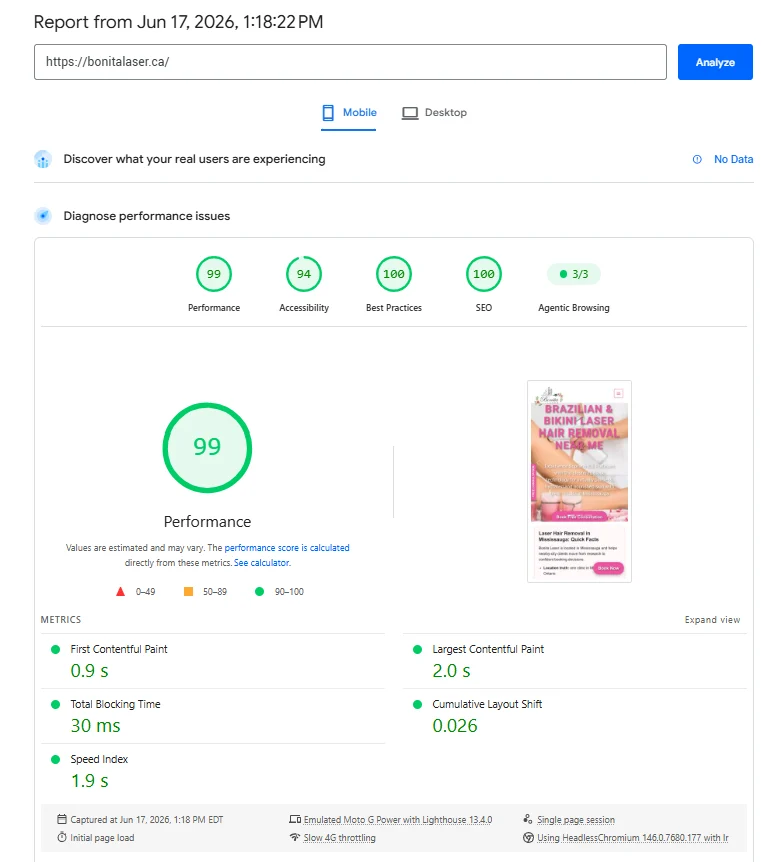
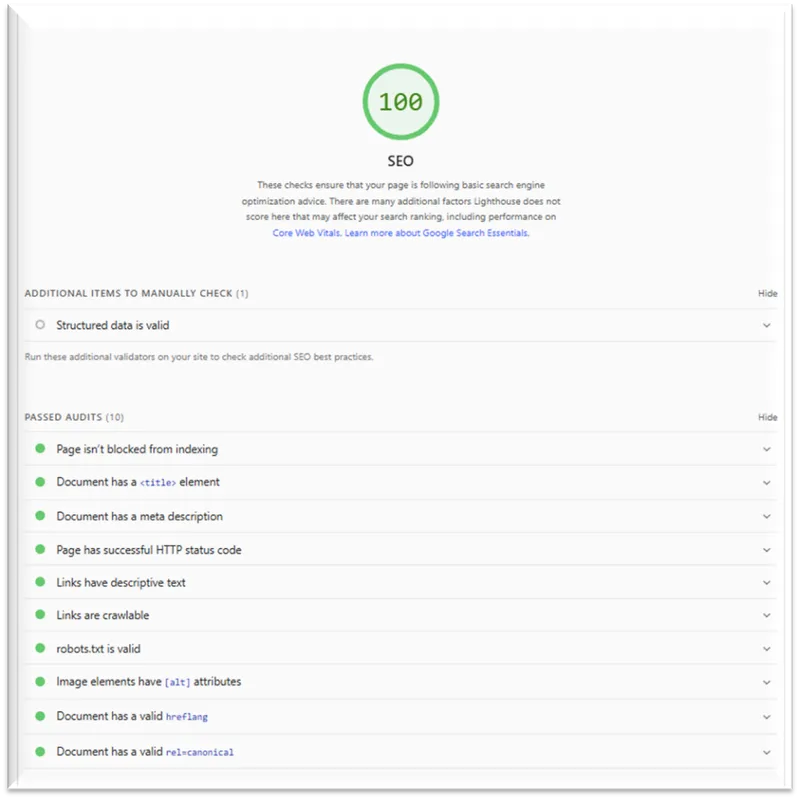
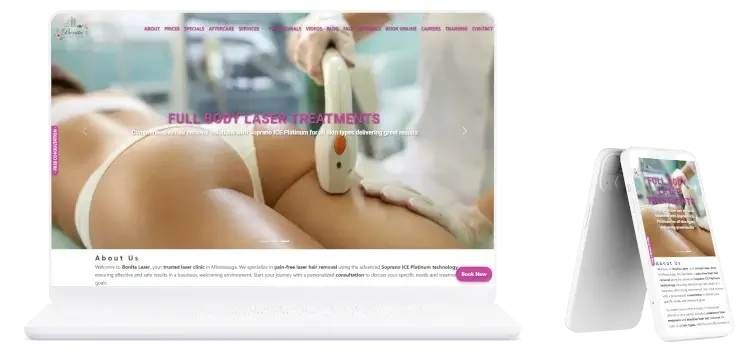
Representative proof snapshots
What similar businesses can learn
Fast pages help conversion; structured service pages and schema help discovery. Automation connects the two to operations.
Design intake with the website Connect forms to operations Tag leads by service intent Report on source and outcome